
Crawl Space Insulation in Tarrant County, Texas
Warmer Floors Start Beneath Your Pier and Beam Home
Many of the older neighborhoods across North Texas were built on pier and beam foundations, which leave an open crawl space between the ground and your floors. Without insulation under the subfloor, that space pulls warmth out of the house all winter and lets humid summer air touch the underside of every room. Next Level Property Services provides crawl space insulation for homes and small commercial buildings across Tarrant County, Texas, including Fort Worth, River Oaks, Forest Hill, Haltom City, Lake Worth, and Saginaw. Our team handles the cramped, dusty work so you do not have to, fitting insulation snugly between floor joists, supporting it so it stays in place, and checking for moisture or pest activity along the way. The goal is a floor that feels comfortable underfoot and a crawl space that is easier to keep in good shape.
Crawl space insulation often gets ignored because no one goes down there. Over the years, batts sag out of the joist bays, fall to the dirt, or get torn apart by animals looking for a sheltered place to nest. What remains is patchy coverage that does little to keep the floors above warm or protect pipes on cold nights.
We start every job by looking at the whole crawl space, not just the insulation. Standing water, damp soil, torn vapor barriers, and gaps in skirting or foundation vents all affect how insulation performs. We point out what we find, explain what it means for your home, and recommend the work that makes sense before any new material goes in.
Our Crawl Space Insulation Services
Crawl Space Inspection
We move through the full footprint under your home to check joists, existing insulation, plumbing runs, ductwork, and soil conditions. We also look for droppings, nests, and openings where animals get in. You receive a clear explanation of what we saw and what we recommend next.
Underfloor Insulation Between Joists
We fit insulation tightly into the bays between floor joists so it meets the subfloor with no air gap. Wire supports, netting, or strapping hold it in place so it does not sag over time. Your floors gain a steady layer of protection from below.
Removal of Fallen or Damaged Material
Insulation lying in the dirt, soaked through, or shredded by animals cannot do its job. We bag and carry out the damaged material before installing anything new. Clearing it out also takes away a favorite nesting spot for rodents and other small animals.
Moisture Awareness and Vapor Barriers
Damp crawl spaces shorten the life of insulation and invite mold and wood damage. We look for standing water, condensation, and missing or torn ground covers, and we can install or replace a vapor barrier over the soil. Drier conditions help the new insulation last.
Pipe and Duct Protection
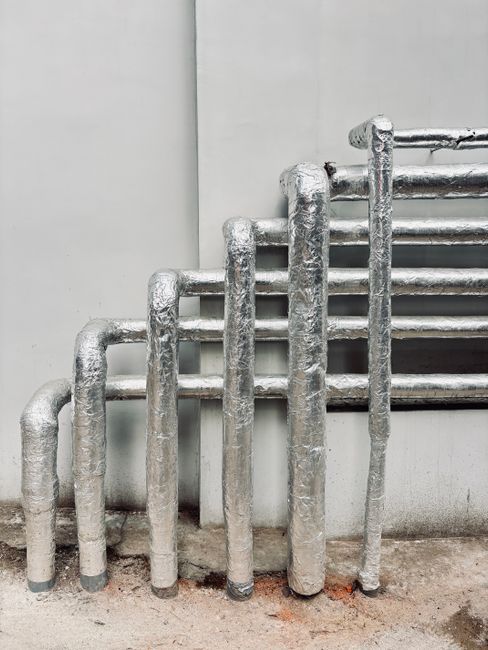
Water lines and ductwork running under the house are exposed to winter cold and summer humidity. We wrap exposed pipes and help close gaps around duct runs where needed. That added protection matters during the occasional hard freeze North Texas experiences.
Vent, Skirting, and Access Sealing
Open foundation vents, broken skirting, and loose access doors let in cold drafts and wildlife alike. We screen vents, secure access panels, and close gaps around the perimeter. A sealed crawl space keeps both outdoor air and animals where they belong.
Benefits of Professional Crawl Space Insulation
Floors That Feel Warmer in Winter
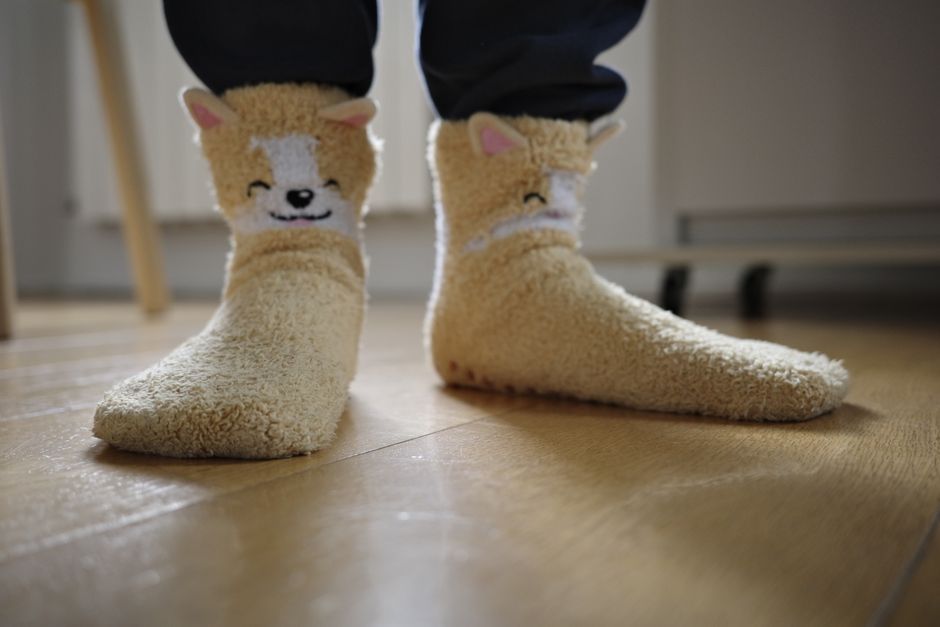
Bare subfloors pull heat straight out of the room on chilly mornings. Insulation between the joists keeps that warmth inside the living space. Kitchens, bathrooms, and bedrooms with tile or hardwood floors become noticeably more comfortable underfoot in the colder months.
Less Humid Air Reaching Your Home
Muggy crawl space air can drift up through gaps in the floor and add to indoor humidity. Sealing the underside and adding insulation helps limit that movement. Your rooms feel fresher and your air conditioner has less moisture to deal with.
Fewer Nesting Spots for Pests
Loose, damaged insulation is an inviting place for rodents, opossums, and insects to bed down. Removing it and installing a tidy, secured layer leaves far less material for animals to burrow into. Combined with screened vents, it makes the crawl space much less appealing.
Protection for Plumbing in Cold Snaps
Pipes under a pier and beam home sit close to outside temperatures. Insulated floors and wrapped lines give them an added buffer when a hard freeze rolls through. That extra layer helps reduce the chance of a frozen or burst pipe.
A Healthier Structure Over Time
Moisture and animal activity can slowly damage joists, beams, and subfloor sheathing. Keeping the crawl space drier and cleaner helps protect the wood that holds your home up. Regular attention now can help you avoid larger structural repairs down the road.
Steadier Comfort Year Round
An uninsulated floor works against your heating and cooling system in every season. Closing that gap helps rooms hold their temperature longer after the system shuts off. The whole house feels more balanced from the floor up, not just near the vents.
Comfort That Starts From the Ground Up
Next Level Property Services insulates crawl spaces beneath pier and beam homes, older bungalows, and small commercial buildings throughout Tarrant County, Texas, including Arlington, Bedford, Hurst, Euless, North Richland Hills, Keller, and Watauga. We handle the tight, dusty work under the floor, remove what is damaged, address moisture concerns, and leave behind insulation that stays put. If your floors feel cold every winter or you have not looked under your house in years, let our team take a look. Request a quote and we will schedule a crawl space visit at a time that works for you.
Frequently Asked Questions
How do I know if my crawl space insulation needs attention?
Cold floors in winter, musty smells, higher humidity indoors, or signs of animals under the house are all common clues. If you look through the access opening and see insulation hanging down or lying on the ground, it is no longer doing its job. An inspection gives you a clear picture of what is happening.
Is crawl space insulation only for pier and beam homes?
Pier and beam houses are the most common, especially in older neighborhoods, but any building with a vented crawl space or raised floor can benefit. Some additions and outbuildings sit on similar foundations. We look at your specific structure and recommend an approach that fits it.
What do you do if the crawl space is wet?
We do not want to install new insulation over standing water or soaked soil. We will point out where moisture seems to be coming from, such as drainage, plumbing leaks, or condensation, and discuss options like a vapor barrier. Some causes may need a plumber or drainage contractor first, and we will tell you if so.
Can animals damage crawl space insulation?
Yes. Rats, mice, opossums, and other animals often pull down insulation to build nests, and they leave droppings and urine behind. We remove that contaminated material, then help close the vents and gaps they used. For larger animal problems, our wildlife exclusion services can secure the rest of the property.
How is the insulation held in place under the floor?
We fit insulation snugly against the subfloor and support it with wire supports, netting, or strapping between the joists. That support keeps it from sagging or falling as the house settles and the seasons change. Proper support is one of the main differences between a lasting job and a quick fix.
Do you offer crawl space insulation in Tarrant County, Texas?
Yes. We work throughout Tarrant County, Texas, including Fort Worth, River Oaks, Forest Hill, Arlington, Haltom City, and Bedford. Many of the older homes in these communities sit on pier and beam foundations. Contact us with your address and we will confirm scheduling for your area.
Will crawl space insulation help with drafts in my home?
It can make a real difference. Gaps in the subfloor, around plumbing, and near floor registers let crawl space air move into the house. Insulating the floor and sealing those openings reduces the cool drafts many owners feel along baseboards and across bare floors in winter.
Do I need to move anything inside my home for the work?
Usually not. Nearly all crawl space insulation work happens beneath the house, reached through an exterior access door or an interior floor hatch. If the access is inside a closet or utility room, we simply ask that the path to it be clear on the day of service.
What our customers have to say...
Testimonials